
Navigating Group Dynamics When You Are the New Person
Understanding Established Group Roles
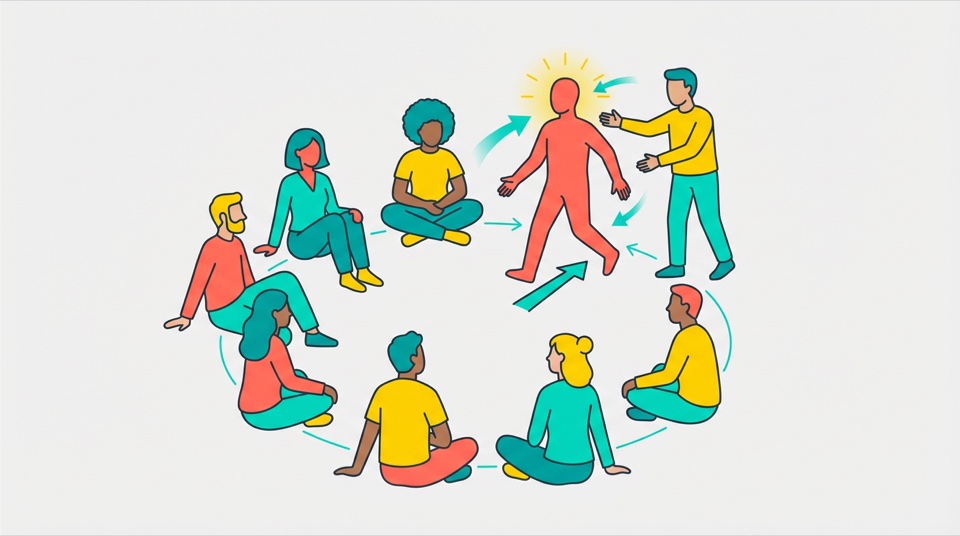
Entering an already established social circle can feel like walking onto a stage where everyone else already knows their lines. The key to integrating smoothly is understanding established group roles before trying to carve out your own space. Every friend group or community organization has its own internal structure. There is usually an unofficial organizer who plans the events, a storyteller who commands attention, and quieter members who prefer to observe. When you first join, take a step back and simply watch how the members interact with one another. Notice who leads the conversations, who mediates disagreements, and what kind of humor is generally accepted. By observing these dynamics, you avoid accidentally stepping on toes or disrupting the natural flow of the group. For instance, if the group already has someone who loves to plan outings, it is better to enthusiastically support their ideas rather than immediately trying to take over the planning yourself. Respecting the existing structure shows that you are considerate and observant, which makes the current members much more receptive to welcoming you into their fold.
The Importance of Active Listening
When we feel nervous in new social situations, our instinct is often to talk more in an attempt to prove our worth or seem interesting. However, the importance of active listening cannot be overstated when you are the new person. Active listening is not just about staying quiet while someone else speaks; it is about genuinely engaging with what they are saying. Make eye contact, nod to show understanding, and offer brief verbal affirmations. More importantly, ask follow-up questions that demonstrate you are paying attention. If someone mentions a recent project they completed, ask them what the most challenging part was. This approach takes the spotlight off you, which reduces your own anxiety, while simultaneously making the other person feel valued and heard. People naturally gravitate toward those who make them feel interesting. By prioritizing listening over speaking, you quickly build rapport and gather valuable information about the group's interests and values, which will help you navigate future conversations with much more ease and confidence.
Finding Common Ground Without Overstepping
As you begin to participate more in group conversations, the goal is to find areas of shared interest. Finding common ground without overstepping is a delicate balance. It is natural to want to relate to others by sharing your own similar experiences, but you must be careful not to dominate the conversation or make it entirely about yourself. If someone is sharing a story about a trip they took, it is perfectly fine to mention that you visited the same place, but be sure to turn the focus back to their experience. Ask them what their favorite part was before launching into a lengthy monologue about your own itinerary. Additionally, avoid controversial or highly sensitive topics during your initial interactions. Stick to universally relatable subjects like hobbies, local events, food, or entertainment. The idea is to weave your own personality into the existing fabric of the group gently. By contributing thoughtfully and keeping the focus balanced, you show that you are an agreeable and considerate addition to the circle.
Participating in Group Activities Comfortably
Most social groups center around some form of shared activity, whether it is a weekly trivia night, a casual sports league, or simply gathering for dinner. Participating in group activities comfortably is essential for integrating yourself into the dynamic. The best approach is to be a willing and enthusiastic participant without feeling the need to dominate the event. If the group is playing a game, focus on having fun and supporting your teammates rather than being overly competitive. If you are at a dinner, offer to help with small tasks like pouring drinks or clearing plates. These small acts of participation show that you are a team player who is happy to contribute. It is also important to recognize your own limits; if an activity is completely out of your comfort zone, it is okay to politely decline or ask to simply observe for a while. Honesty is usually well-received, and most groups will appreciate your willingness to be present even if you are not fully participating. The main objective is to share in the experience and build positive memories together.
Giving the Group Time to Accept You
Patience is perhaps the most critical element when joining a new social circle. Giving the group time to accept you is necessary because trust and familiarity cannot be rushed. It is completely normal to feel like an outsider for the first few weeks or even months. The existing members have likely shared years of history, inside jokes, and experiences that you simply are not a part of yet. Do not take it personally if you are not immediately invited to every single gathering or if you occasionally miss a reference. Continue to show up, be friendly, and engage positively when you are there. Over time, as you share more experiences with the group, you will naturally begin to build your own history with them. You will develop your own inside jokes and become a familiar, comforting presence. Remember that building a solid social foundation is a marathon, not a sprint. By maintaining a consistent, positive attitude and allowing relationships to develop at their own pace, you will eventually transition from being the new person to an integral part of the community.