
Why Volunteering is a Great Way to Meet Like-Minded People
The Power of Shared Causes
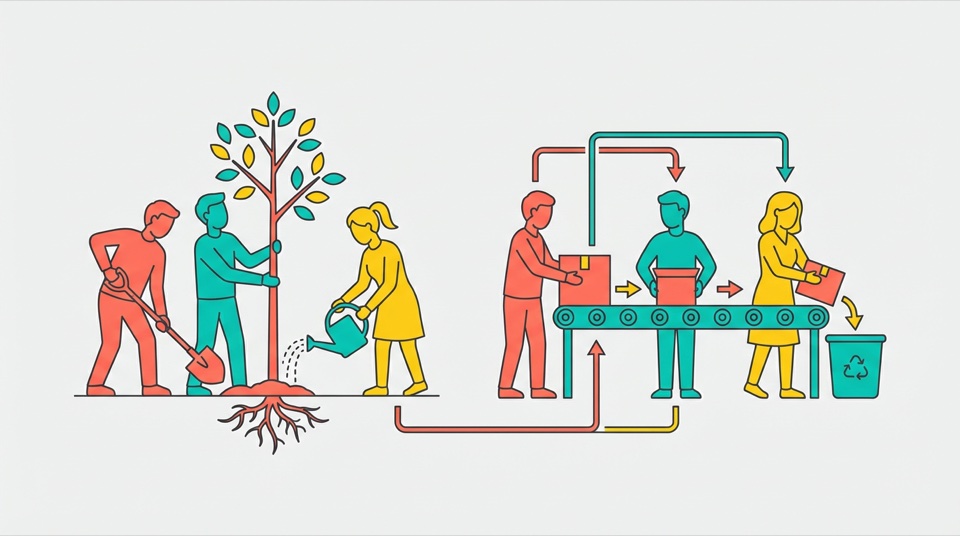
When you are looking to expand your social circle, finding common ground is often the biggest hurdle. Volunteering naturally solves this problem through the power of shared causes. When you sign up to help at an animal shelter, a community garden, or a local food bank, you are immediately surrounded by individuals who care about the same issues you do. This shared set of values provides an instant foundation for connection, bypassing the superficial small talk that often characterizes traditional networking events. You already know that the people in the room possess a certain level of empathy, dedication, and community spirit, which makes them excellent candidates for meaningful friendships. Furthermore, working toward a common goal fosters a sense of camaraderie and mutual respect from the very beginning. You are not just a group of strangers trying to find something to talk about; you are a team united by a specific purpose. This environment naturally attracts individuals who are open-minded and willing to collaborate, creating a highly receptive atmosphere for building new, genuine relationships based on shared principles rather than mere proximity.
Working Together Breaks the Ice
One of the most intimidating aspects of meeting new people is figuring out how to start a conversation without feeling awkward. Volunteering completely eliminates this pressure because working together breaks the ice naturally. Whether you are sorting donations, planting trees, or setting up chairs for an event, the physical tasks give you something to focus on other than the social interaction itself. This shared activity acts as a buffer, allowing conversations to flow organically as you coordinate your efforts. You can easily start chatting by asking for help with a task, commenting on the progress you are making, or simply sharing a laugh over a minor mishap. Because your hands are busy, the pressure to maintain constant eye contact or fill every silence is greatly reduced. This relaxed dynamic is especially beneficial for those who feel shy or anxious in standard social settings. The focus remains on the work, and the social connections develop as a natural byproduct of your collaboration, making the entire experience feel much more comfortable and authentic.
Consistent Interactions Build Trust
Friendships rarely form after a single brief encounter; they require time and repeated exposure to truly develop. Volunteering provides an ideal structure for this because consistent interactions build trust over time. When you commit to a regular volunteer schedule, whether it is every Saturday morning or once a month, you begin to see the same faces repeatedly. This consistency is crucial for moving past the acquaintance stage. With each shift, you learn a little more about your fellow volunteers — their backgrounds, their sense of humor, and their reasons for being there. You begin to anticipate seeing them, and the initial awkwardness fades into a comfortable familiarity. This gradual progression allows trust to build naturally, without the pressure of forced social outings. You are sharing experiences, overcoming small challenges together, and celebrating collective successes. Over time, these shared moments weave a strong social fabric, transforming a group of individual volunteers into a cohesive and supportive community where genuine friendships can easily take root and flourish.
Finding Opportunities That Match Your Skills
To get the most out of your volunteer experience, both personally and socially, it is important to choose roles that genuinely interest you. Finding opportunities that match your skills or passions ensures that you will enjoy the work and naturally gravitate toward people with similar mindsets. If you are highly organized, consider helping with event planning or administrative tasks for a local charity. If you love being outdoors, look for park cleanup initiatives or community gardening projects. If you have a knack for teaching, consider tutoring or mentoring programs. When you are engaged in tasks you enjoy, your enthusiasm shines through, making you more approachable and open to connection. Additionally, utilizing your specific skills allows you to contribute meaningfully, which boosts your confidence in the setting. Do not be afraid to try a few different organizations before settling on one. The goal is to find an environment where you feel valued and where the culture of the volunteer group aligns with your own personality, setting the stage for comfortable social interactions.
Transitioning from Co-Volunteers to Friends
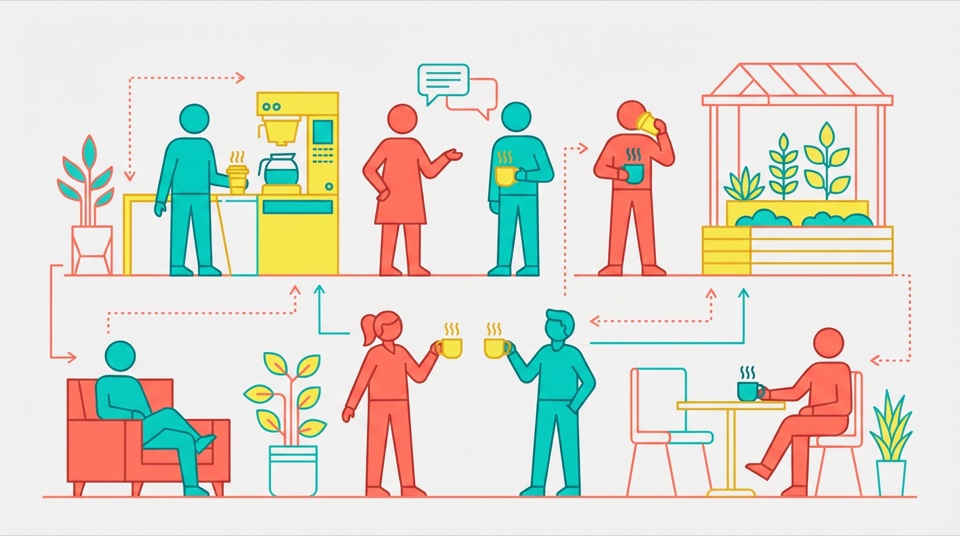
As you become more comfortable with your fellow volunteers, you may want to take the relationships beyond the boundaries of the organization. Transitioning from co-volunteers to friends is often a smooth process, provided you approach it naturally. A great way to bridge this gap is to suggest a low-pressure activity immediately before or after your shift. For example, you might ask if anyone wants to grab a coffee before the morning shift starts, or suggest getting a quick bite to eat after a long afternoon of work. Because you already have the shared experience of the volunteer work to discuss, the conversation will flow easily in a new setting. Pay attention to who you naturally gravitate toward during your shifts, and focus your efforts on those individuals. You can also connect on social media or exchange phone numbers to share information related to the cause, which opens the door for broader conversations. By taking these small, incremental steps, you can successfully move the connection from a structured volunteer environment into your everyday social life.